One word: elegance.
1920s: Elegance in communication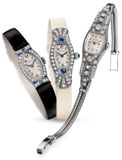
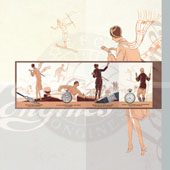 The first nonstop transatlantic flight timed by Longines
In 1927, Charles A. Lindbergh made the first solo and nonstop transatlantic flight from New York to Paris, timed by Longines. In 1931, he designed a new instrument for Longines that earned a place in history as the hour-angle air navigation watch.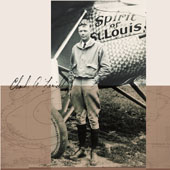
In 1926, Longines participated in its first International Horse Show in Geneva, Switzerland. This event marked the start of a long and intense relationship between elegant equestrian sports and Longines, resulting in the first award, in 2000, of the Longines Prize for Elegance in equestrian sports at the Jumping International de Cannes, in southern France.1930s: Feminine elegance in aviation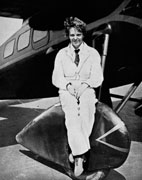
During the 1920s and 30s, Longines accumulated design experience while new movement shapes prompted a new generation of Longines watches featuring Art Deco geometry and trim rectangular or square cases. Such models were featured in 1928 in the first Longines advertisements, with “Elegance“ as its unique selling proposition. During that period, Longines launched three of its most memorably elegant watches, enhanced with diamonds and sapphires, which years later were reintroduced in a special limited vintage edition to celebrate 170 years of Longines elegance in watchmaking
The first nonstop transatlantic flight timed by LonginesIn 1927, Charles A. Lindbergh made the first solo and nonstop transatlantic flight from New York to Paris, timed by Longines. In 1931, he designed a new instrument for Longines that earned a place in history as the hour-angle air navigation watch.
Longines and equestrian events
In 1926, Longines participated in its first International Horse Show in Geneva, Switzerland. This event marked the start of a long and intense relationship between elegant equestrian sports and Longines, resulting in the first award, in 2000, of the Longines Prize for Elegance in equestrian sports at the Jumping International de Cannes, in southern France.1930s: Feminine elegance in aviation
The nineteen thirties saw a number of flying exploits succeed with timekeeping support from Longines. One adventurer of the skies equipped with a Longines timepiece was Amelia Earhart, who in 1932 was the first woman aviator to fly from Newfoundland to Ireland. The exploits of the aviation pioneers of the period inspired Longines in 1938 to design a second navigation instrument, called the siderograph
Featured brand