
Abraham-Louis Breguet: 1747–1823.
Rebirth of the Breguet Manufacture: 1999, when the brand was acquired by the Swatch Group under the brilliant intuition of its then-CEO, Nicolas Hayek.
In between? A sporadic but very real activity, which often flies under the radar. With one peculiarity: whereas many prestigious brands claim "an uninterrupted history since" that exists only in their PowerPoint slides, Breguet has always been remarkably transparent about its historical journey.
This commitment to accuracy and factual integrity is largely thanks to Emmanuel Breguet. A trained historian, he has extensively documented the history of the house and his family. A rare and remarkable work of clarity, it has strengthened the bond between the manufacture and its collectors, who value not only the precision of a Breguet... but also the precision of its story.
1823: First Turning Point
Abraham-Louis Breguet dies at 76, on September 17, 1823. His only heir is his son, Antoine-Louis, then 47 years old, who inherits no significant fortune. The Breguet business is fragile, rocked by a tumultuous history of Revolution, Directoire, Consulate, and Restoration.
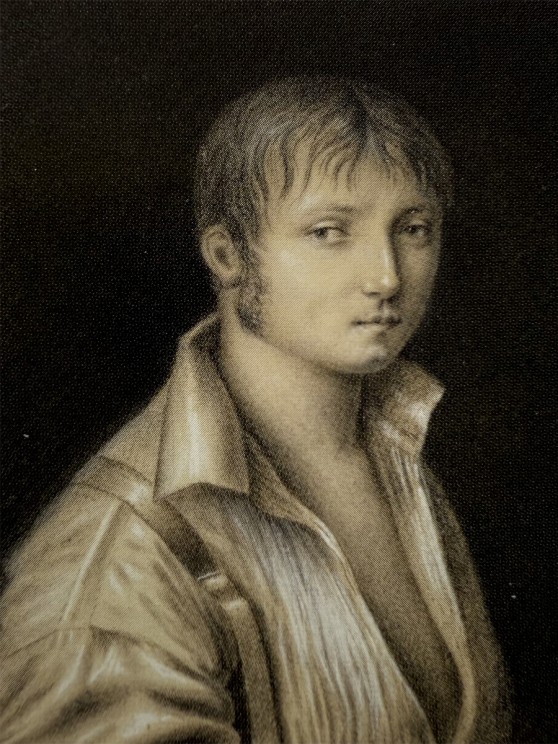
Antoine-Louis runs his father’s company for 10 years. He engages particularly in the production of marine chronometers while continuing his father's innovations in watch complications. A skilled draftsman and prolific inventor, he unfortunately lacks his father’s commercial talent. During his lifetime, he sells the business to his own son, Louis-Clément, in 1833. The company becomes “Breguet, Neveu et Compagnie.”
1833: Diversification
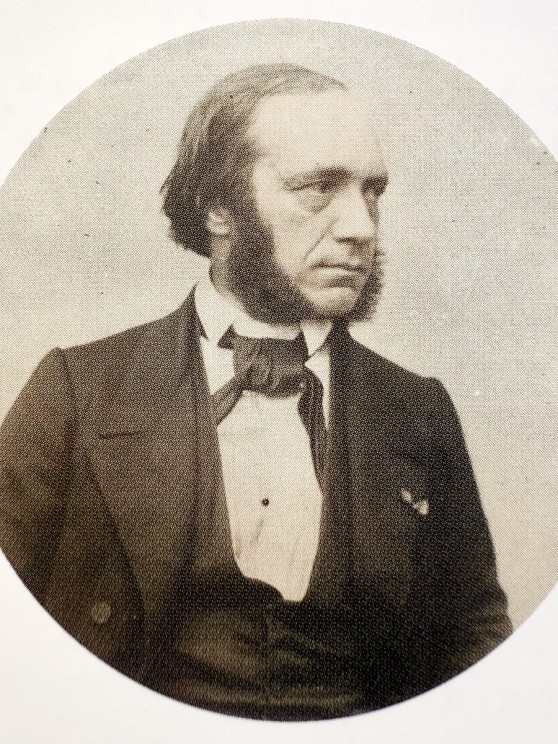
Louis-Clément understands that watchmaking is becoming more mainstream. The brand can no longer survive solely on unique pieces and royal patrons. He shifts focus toward scientific instruments and the emerging field of electricity. To revive flagging sales, watch production becomes standardized—and this strategy works commercially. With success restored, Louis-Clément returns to the brand’s roots, revives unique timepieces and "sympathique clocks," and joins the Bureau des Longitudes.
1845: First Split
Louis-Clément has three sons, including Antoine, representing the third generation after Abraham-Louis. A brilliant graduate of the prestigious Polytechnique, Antoine is passionate about physics—so much so that his father splits the family business in two: one half remains the “R&D” physics division under Louis-Clément, while the watchmaking branch is sold in 1870 to the company's English workshop foreman, Edward Brown.
From this point on, the Breguet watchmaking line is no longer run by the family. Antoine, the third-generation Breguet, dies at 31. Though he has two sons, Louis and Jacques, they both go into aviation—with notable success, as Emmanuel Breguet has recounted in our columns. From 1870 on, the Brown family takes sole control of the Breguet watchmaking business.
God Save Breguet
The Browns keep Breguet alive for a full century, from 1870 to 1970. Their efforts are commendable, despite being challenged by two World Wars and the 1917 Bolshevik Revolution—Russia had been Breguet’s biggest market. Nevertheless, the Browns manage to restore international trade and focus on three key product lines: slim simple watches, repeater watches, and fashionable travel clocks. They also have the foresight to align with the aeronautical industry, in which the original Breguet family branch excels—leading to the iconic rise of the Type XX.
1970: Return to France
In 1970, the Brown family steps back and sells Breguet to its neighbor on Place Vendôme, the Chaumet brothers, jewelers with ambitions in watchmaking. But Chaumet fails to bring the expected growth. In 1987, they sell the brand to InvestCorp. The investment firm provides substantial resources to revive the original style of Abraham-Louis. Breguet regains widespread acclaim. Asia becomes captivated by the brand. The new Swiss-based workshop struggles to keep up with demand. As a classic strategy to maximize value, InvestCorp splits the operation into three entities: Nouvelle Lémania (movements), Valdar (components), and Breguet itself—this lesser-known setup was called the Groupe Horloger Breguet.
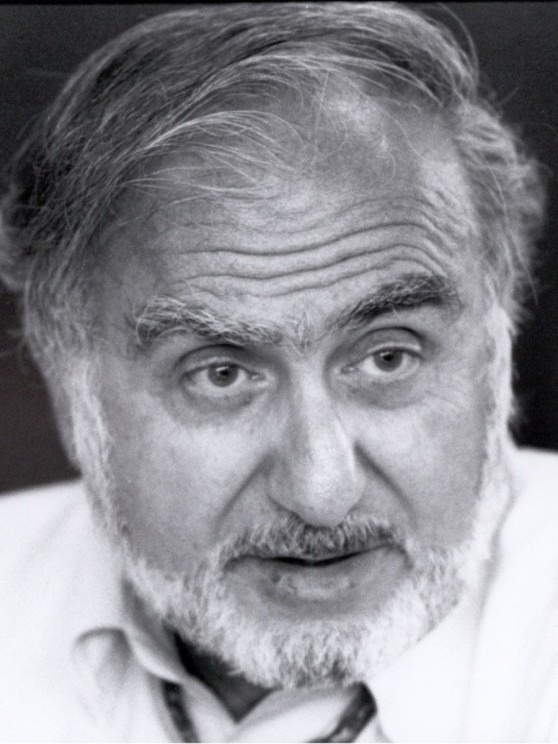
But as Breguet’s growth continues—alongside the late-90s revival of fine Swiss mechanical watchmaking—InvestCorp finds itself out of its depth and exits. In 1999, Nicolas G. Hayek acquires Breguet and places it at the pinnacle of his Swatch Group, now the world’s largest watchmaking conglomerate.