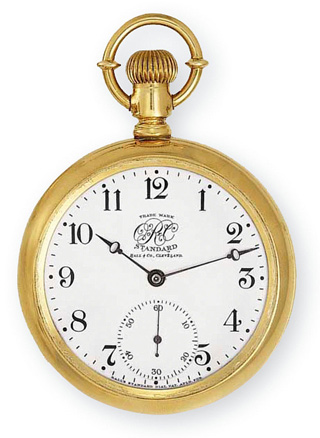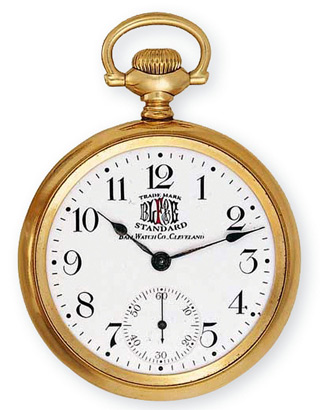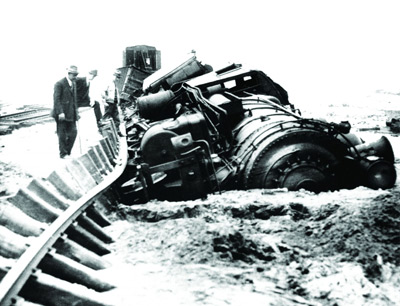
When it was shown that the direct cause of the catastrophe was that one of the engineer's watches was inaccurate, it deeply shocked the contemporaries. In fact, the watch was over four minutes late. The accident was not due to a human error, but to the consequence of a faulty simple time-device.
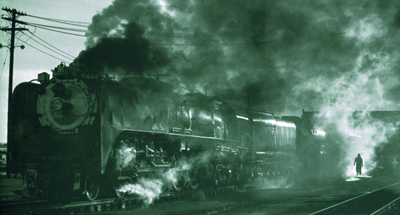
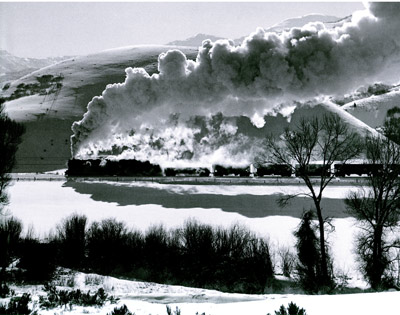
As soon as the cause of the accident was disclosed, the managers of the two main American railroads of the time, called upon Webster Clay Ball, a small watch manufacturer from Cleveland, whose reputation in the watch industry was well established. Appointed ‘Chief Time Inspector' to the American federal railroads, Webster C. Ball was entrusted with the task of testing all watches of railroad employees. In his new capacity as ‘Chief Time Inspector', Ball forbade all watches which were off-time by more than thirty seconds per day and simultaneously designed a strict standard time system to ensure precision and reliability.
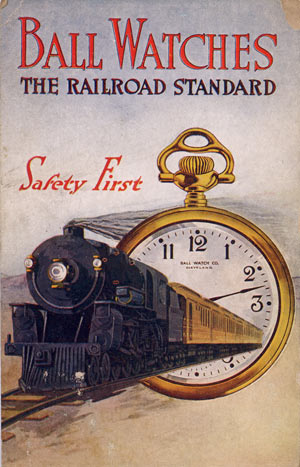
Advertising Poster „BALL Watches The Railroad Standard”. © Ball Watch
Webb C. Ball's recommendations were of such validity that they actually formed the basis of the COSC certification system established by the Swiss Society of Chronometry in 1973 and which is still applied today.
Soon, watches certified ‘Ball's Standard' spread to almost the entire U.S. railroad network and their fame spread overseas as well. Subsequently, Webster Ball received many international awards for his contribution in terms of saving human lives but also for his unique role in the history of watch-making.
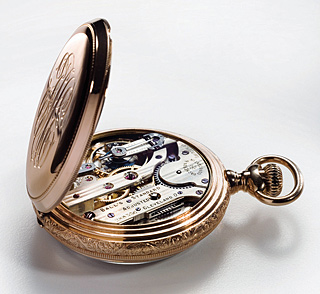
Ball & Co., Cleveland, Ohio (USA). Vacheron & Constantin, Switzerland, No. 288336. © Ball Watch