Long before the term “knowledge economy“ was coined in the 20th century, a perceptive watchmaker by the name of Moritz Grossman recognized the fundamental role played by expert knowledge in the industry he knew best. A master watchmaker, Grossman helped establish the industry in Glashütte and saw the Saxon town transformed into the centre of watchmaking in Germany.
As the industry grew and flourished, he became convinced that the future of Glashütte depended on its ability to ensure a continuing supply of qualified watchmakers. Thanks largely to his efforts, Germany's first watchmaking school was established in Glashütte on May 1, 1878.
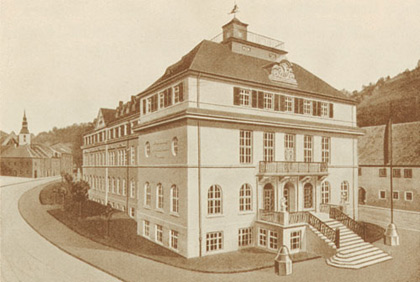
The German School of Watchmaking of Glashütte, which remained operational for more than 114 years, helped sustain the industry through rapid growth and also helped it survive in more difficult times. Throughout, one crucial fact remained unchanged: watchmaking was and still is a knowledge-based industry in which the watchmaker's expertise, experience and rare craft skills far outweigh the importance of all other production factors. Today, as in the past, only careful recruitment and systematic training of young watchmakers can secure the knowledge on which the industry's future depends.
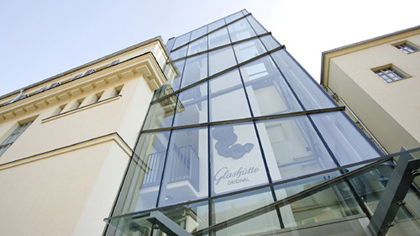
In recognition of its responsibility to the heritage of German watchmaking, Glashütte Original took decisive steps to establish a contemporary school of watchmaking in Glashütte and opened the Alfred Helwig School of Watchmaking in 2002. Today, it receives hundreds of applications each year from young men and women hopeful of winning a place at the school.
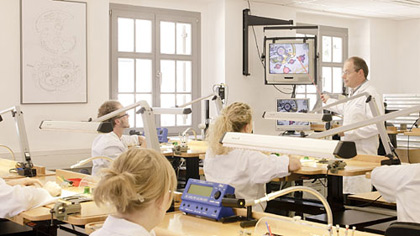
Of these, only fifteen are admitted to the three-year program. On completion of their theoretical and practical training, twelve will have acquired the requisite expert knowledge and skills to begin careers as watchmakers; three will have qualified as toolmakers.
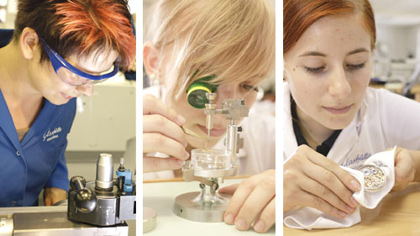
In addition to intense professional training, Glashütte Original offers a substantial incentive to the applicants: all students at the school who complete their training and meet the highest standards for performance are guaranteed full-time employment.
Alfred Helwig – Icon of German watchmaking
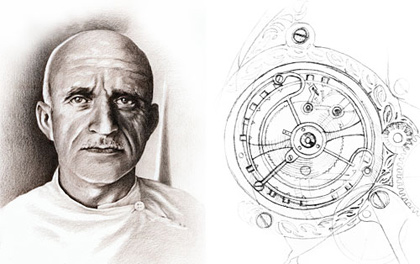
Glashütte Original's school of watchmaking is named after Alfred Helwig, the master watchmaker who taught for many years in the town's first watchmaking school. It was during his time as a teacher that Alfred Helwig developed, together with his apprentices, a new, cantilevered version of the tourbillon mechanism - one of watchmaking's most intriguing complications. Anchored on one side only, Helwig's design soon came to be known as the “Flying Tourbillon“. Today, Glashütte Original's Flying Tourbillon models pay tribute, as does the school, to this dedicated teacher and extraordinary watchmaker.
Owned and operated by Glashütte Original, the Alfred Helwig School of Watchmaking is located in the splendidly restored building that once housed the first German School of Watchmaking and that is today the home of the German Watch Museum Glashütte.