This is the third Baselworld with the new configuration. Have you made any changes?
The big changes were made in 2013 but we make small adjustments every year to meet the needs of our exhibitors and other attendees. Our aim is for people to experience a “wow” factor every year without necessarily knowing why.
What is the most important element in this new edition?
Every year the most important thing is the new products. We do all we can to ensure that buyers and the world’s press focus on these. Baselworld is one exhibition, but it represents five or six different sectors. This is why we have different universes for different sectors in the halls.
What are the most important figures for the exhibition?
We have 1,500 exhibiting brands, 4,000 accredited journalists and 150,000 visitors. During the period of the exhibition, around 1 million people view the posts on our Facebook page. The impact of social media has grown exponentially over the past five years.
The strength of Baselworld is its ability to bring together the whole industry once a year, not just the watch and jewellery industries but the gemstone and machine tool suppliers as well. It’s unique and there is an extreme concentration of the media and the international buyers on this week.
Have you had to face up to the problems of the strong Swiss franc in any way?
There has not been any direct impact on the show but we can see that it is an issue that everyone is concerned about. The problem is that there is a complete lack of visibility and we don’t know what is going to happen. Nobody can say what the impact will be.
Is there an area where you want to focus your attention in the future?
I think one of the strengths is that we listen to exhibitors and visitors from the main watch markets. We will need to pre-empt what is going on in the markets and adapt our strategy to their needs.
Do you see any impact on the attendance of buyers and visitors because of the changing geopolitical situation in the world?
If there is an impact, it will be minor. Since the public can buy tickets on the spot, it is difficult to predict exact visitor numbers, but judging by the visa applications we have received, the figures are reassuring and stable.
What advice would you give to a visitor who only had half a day to spend at Baselworld?
This depends on the person’s interests. A lot of buyers come only to see precious stones, for example. It’s a question we have asked ourselves in the past and one of our findings was that people needed to be able to focus on one particular area relevant to them, which is why we introduced a clear separation by sector.
In 2013 we said we would split exhibitors according to the brands that retailers stock, so that every big brand is in Hall 1 now, regardless of whether they are dominant in watches or jewellery.
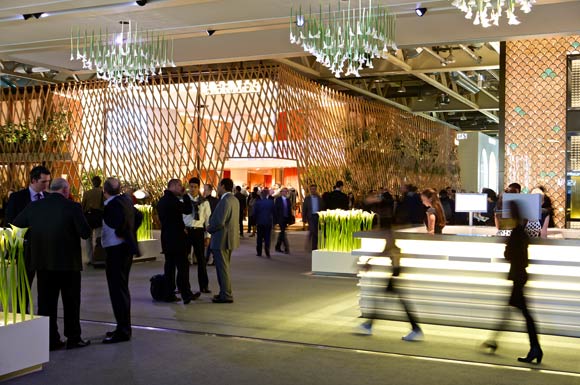
I would recommend someone who is just coming to be blown away to see Hall 1 because the stands are veritable constructions and if you haven’t seen them before then they are definitely worth a look. Then you should come for longer the next year. This is usually what happens. It’s the same for journalists who only come for one day the first time – they only do it once! We have seen that the average length of a visit has increased continuously over the past five or six years and on average visitors spend between three and five days at Baselworld.