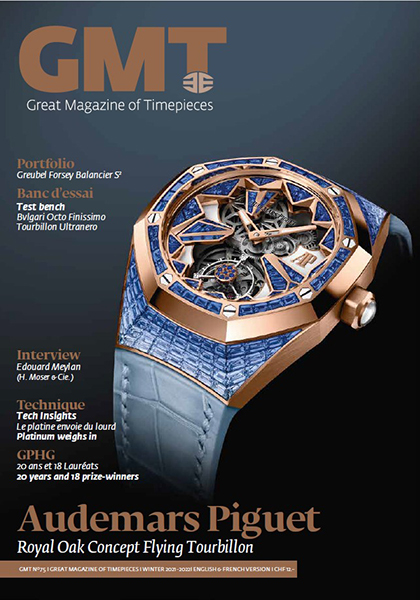
It is gray, slightly darker than steel and endowed with rare density. Platinum is the most prestigious metal in watchmaking. More than gold, more than carbon composites, more than its exotic cousins tantalum and palladium, it reigns supreme at the very top of the range. Nonetheless, the preponderance of informal steel and titanium watches and the search for more attractive prices had relegated it to the rank of a rarity bordering on the outdated. Like all trends, that particular eclipse is currently being reversed. The most high-end segments of the market being the ones that are performing best at the moment, we are witnessing a race towards value, prestige – and in the case of certain brands accustomed to these lofty spheres, the revival of a well-oiled mechanism.
Heavy
Behind these temporal issues, platinum is governed by another logic: the natural weight of this metal that is almost 20% denser than gold and almost three times more than steel. A40mm watch case can easily come in at 100 grams in itself, and the weight is tripled if the bracelet is made of the same material. Easily bearing such a presence on the wrist is not a matter of giant personal stature. These are timepieces of which one is constantly aware and that is precisely what its unconditional fans love about them: having a watch that literally weighs on the arm, constantly reminding the wearer of its existence and making its value clearly felt.

Soft
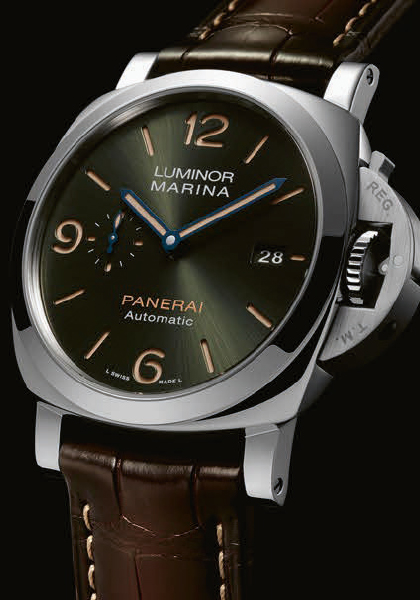
Paradoxically, this is a low-tech metal. Much of the research into contemporary watchmaking materials is focused on achieving lighter weight, and platinum is naturally excluded from this. The second aspect is hardening, which leaves this rather soft metal a little room for maneuver, as the legal alloy must be 95% made from this metal. With the remaining 5%, Panerai has managed to make it less scratchable by means of its Platinumtech alloy, inaugurated on the PAM1116, a self-winding perpetual calendar model featuring a Luminor Marina case.
Rare
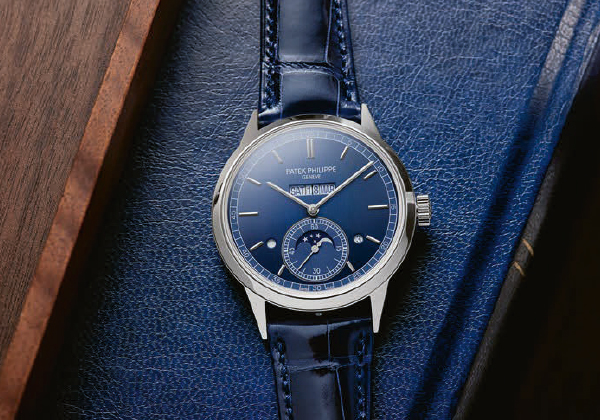
The natural prestige of platinum has earned it distinctive executions, special dial colors and sometimes pride of place for initial launches, particularly of Grand Complications. Bulgari’s Octo Finissimo ultra-thin perpetual calendar (measuring a total 5.8mm thick) made its debut in both titanium and platinum versions. The latest example from Patek Philippe is Reference 5236P which – like all Patek watches ending in a P – is set with a diamond between the lugs at 6 o’clock. Cartier also uses a stone to signal its timepieces made of this metal, which the company has been accustomed to using since the 1920s. In its contemporary collections, the cabochon adorning the crown is not a blue stone, but a very red ruby, as on the Cartier Privé Cloche Skeleton.
Exclusive
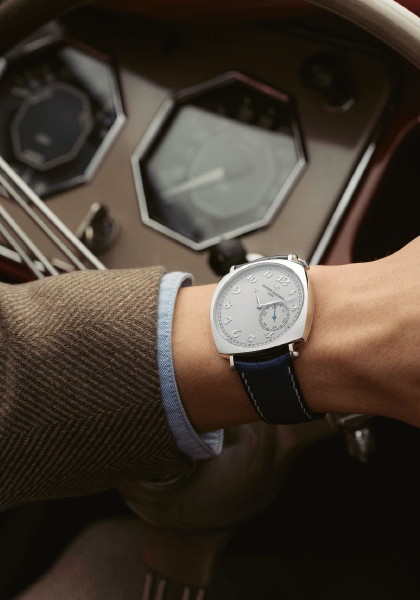
Vacheron Constantin’s Collection Excellence Platine encompasses timepieces made in this way. They are distinguished by their dial, sculpted from solid platinum, sandblasted and bearing the “Pt50” signature in a cartouche. On its side, Rolex reserves its so-called glacier blue dials for its Day-Date model in platinum, which is the only one to be regularly entitled to this metal. However, the prize for prestige goes to Parmigiani Fleurier, which has chosen to use the king of materials for the 25-piece limited edition of its most advanced model, the Tonda PF Split Seconds Chronograph.
As a World Tempus reader, we are delighted to offer you the latest digital version of this GMT magazine that you can download here. Happy reading!