Cartier presented 66 new models at Watches and Wonders this year. That's a lot!
The first thing to remember is that seven years ago, we implemented a major strategy change, to focus on who we are and the Maison's foundational collections, starting with the icons… all while expressing our creativity as a jewellery house. We now have a globally stable collection, which includes our iconic watches.
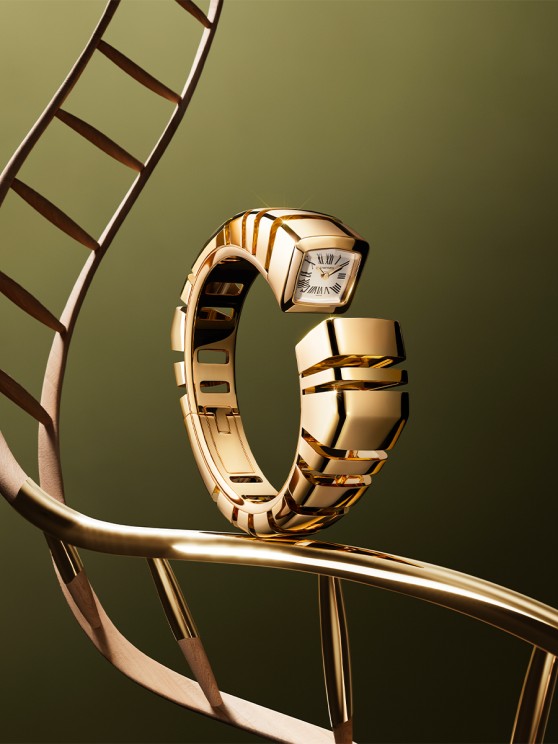
We've chosen to build on these icons with, it's true, a lot of new releases in existing collections this year, mainly Santos which celebrates its 120th anniversary. Panthère is also in the spotlight, in a new size that customers have been asking for, men in particular.
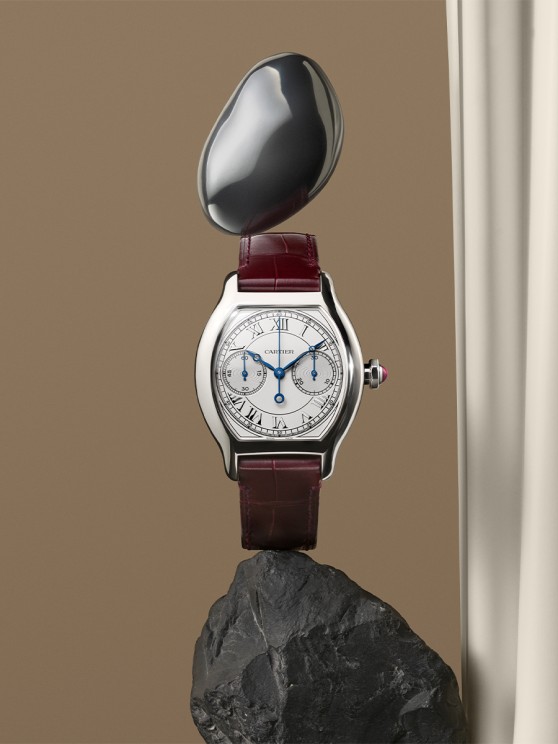
So on the one hand, there are the icons, such as Tank, Panthère, Santos and Ballon Bleu, which are important in terms of image but also sales, and alongside these we have a great many creative collections, for example last year's Clash Unlimited, the Coussin watch with the flexible variations from the year before that and this year's Reflection, as well as animal themes in abstract and figurative renditions. The result is a large collection that covers a broad field of expression but isn't obsessed with novelties and mirrors who we are.
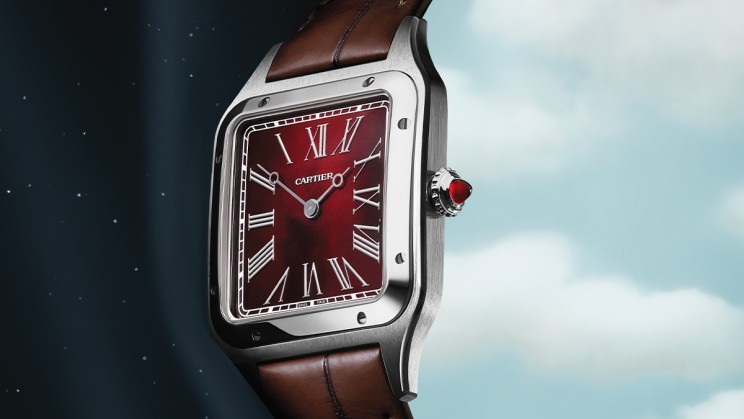
You mentioned that this year is the 120th anniversary of the Santos. Where does it sit in Cartier's watch offering?
It's one of our most important collections, in terms of results and in our hearts, too, as it is Cartier's oldest contemporary collection. You cannot separate the history of the Santos from the history of Cartier, knowing that it was created out of the friendship between Alberto Santos-Dumont and Louis Cartier, in the light of the early twentieth century. Time has gone by since then and the Santos has seen numerous reinventions. You could say it was the cornerstone of the brand's revival in the 1970s; a standard-bearer for Cartier watchmaking.
In 2004 we celebrated its centenary with an incredible party at Le Bourget airport, complete with the Concorde. The Santos is as contemporary today as ever and continues to symbolise creative exploration and the pursuit of beauty. It aligns with Cartier's values and natural curiosity. Cartier is known for its form watches and the idea of taking people by surprise, as we have this year with the Santos collection, is part of our identity.
How do watches and jewellery interact when developing your collections?
At Cartier, watches and jewellery come together in a harmonious and integrated way, if nothing else because our watches creative director, Marie-Laure Cérède, is also our jewellery creative director. Being at the head of both studios, she helps us look from one to the other and work on collections that are informed by both.
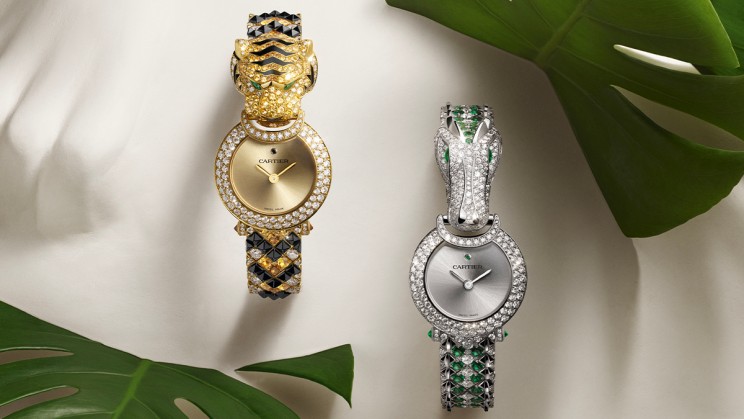
The Baignoire Bangle is probably the best example right now. It's a feminine, delicate, sophisticated piece, both a watch and a bracelet and, in its current interpretation, feminine and masculine. In Asia in particular, we're starting to see interest among men who want to wear it, more as an item of jewellery. So we have a growing number of transversal collections and bridges between these two activities.
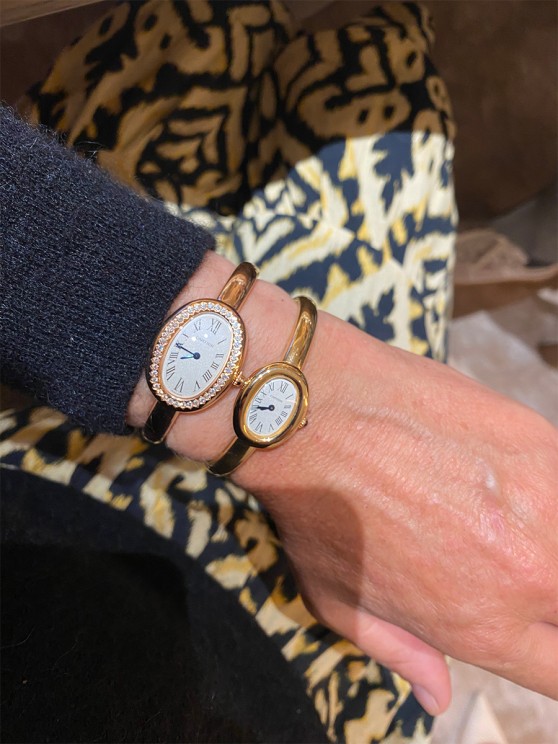
Cartier's iconic feline, the panther, is another example. It appears in several collections, expressed in various ways, in jewellery, watches, leathergoods and perfumes. There are now numerous crossovers, although we do set certain limits. Our vocation isn't to interpret our jewellery icons as watches. Our role is to define our already vast creative landscape.
You hinted at changing customer behaviour, especially gender demarcation. Are boundaries becoming more blurred?
Because we have such a diversity of styles and shapes, we can interact with a wide range of clienteles who are looking for very different things. I mentioned the Baignoire, which is theoretically a women's watch but men like it, too. The same goes for the Panthère. Then you have the Santos, which appeals more to men but is increasingly popular among women.
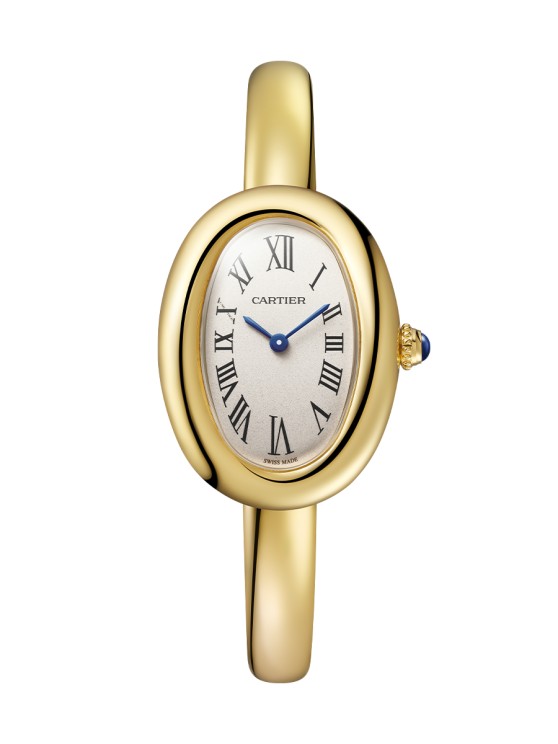
This notion of fluidity is totally inherent to Cartier. We have no preconceived ideas. We make beautiful objects and each person is free to choose the one that reflects their style and individuality. Watchmaking is still fairly traditional in that respect, with "watches for men" and "watches for women", so you could say we are quite singular in our approach.
What's your view of the vintage watch market?
Vintage isn't new for Cartier. Through our Cartier Tradition programme, we buy back vintage pieces at auction or from private sellers, which we then restore to today's criteria and resell at events or in our boutiques. We've been doing this for more than 30 years now. The programme mainly concerns pre-1970s watches, archive pieces produced in small series.
It's certainly an interesting project but can be complicated, particularly when it comes to sourcing watches. Cartier is a highly desirable name and everyone is chasing after the same models. We've also revived the Cartier Privé concept of reworking or reintroducing iconic signature collections. The concept is doing really well and all the lines have sold out.
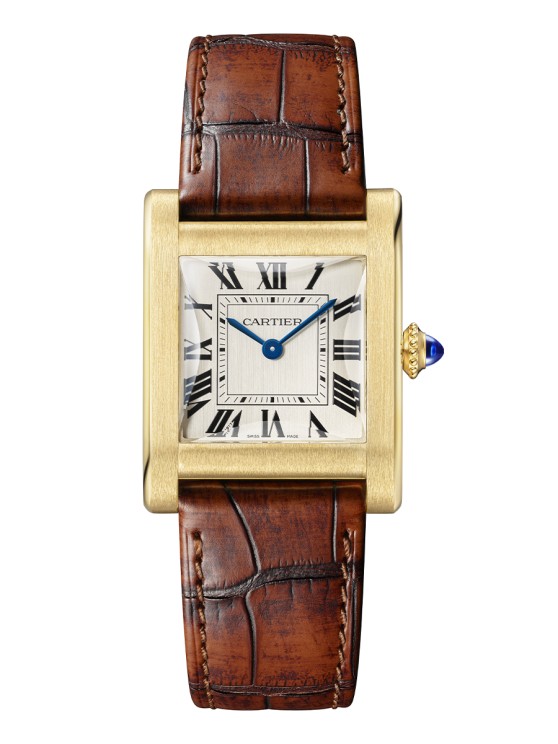
Plus we deal in vintage through collaborations with two key partners, namely Watchfinder, which belongs to the Richemont group, and Bucherer, one of our main retailers. Bucherer launched a pre-owned programme in 2023. It's still too early to comment on results but the programme was put in place last year and is progressing nicely.