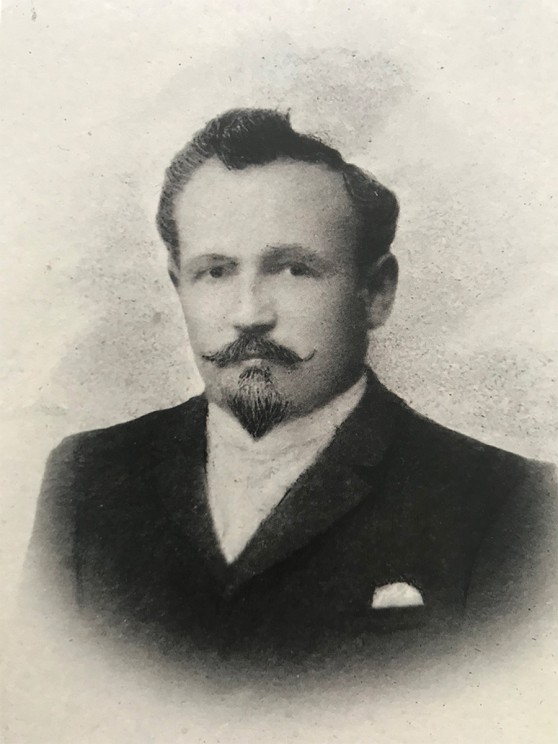
1. Léon Breitling was not the family’s first watchmaker
While Léon Breitling is widely recognised as the company’s founder, he wasn’t the first in his family to put the Breitling name on a watch. Léon’s great-uncle had married into a watchmaking family and established Breitling-Laederich in 1850. It was through this company, which exported timepieces to the Americas, that Léon Breitling took his first steps in the watchmaking industry.
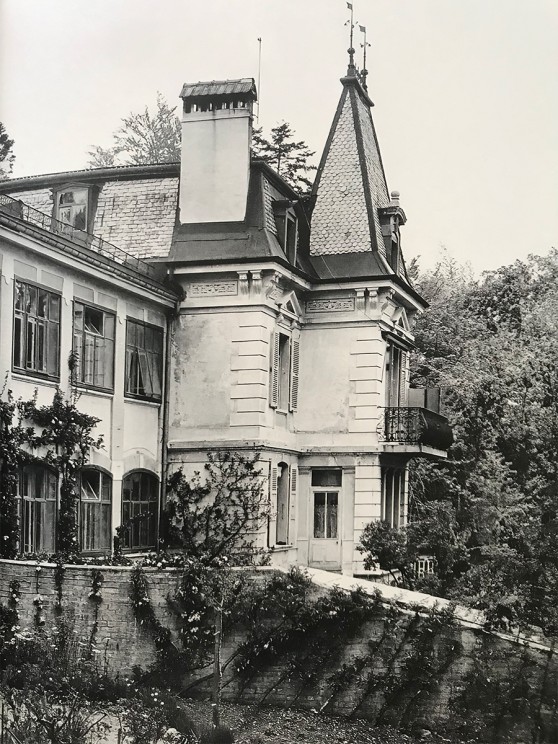
2. Montbrillant: more than just a manufacture
In 1892, Léon Breitling opened a workshop on rue de Montbrillant, a name now synonymous with the watch brand. However, the location originally served as both factory and family home. The central workshop premises were flanked by residential buildings, one wing of which welcomed three generations of the Breitling family. This structure, typical of late 19th-century industrial architecture, can also be found in Besançon, France, where the factory-residence of another major exponent of the chronograph, the Dodane family, can still be seen.
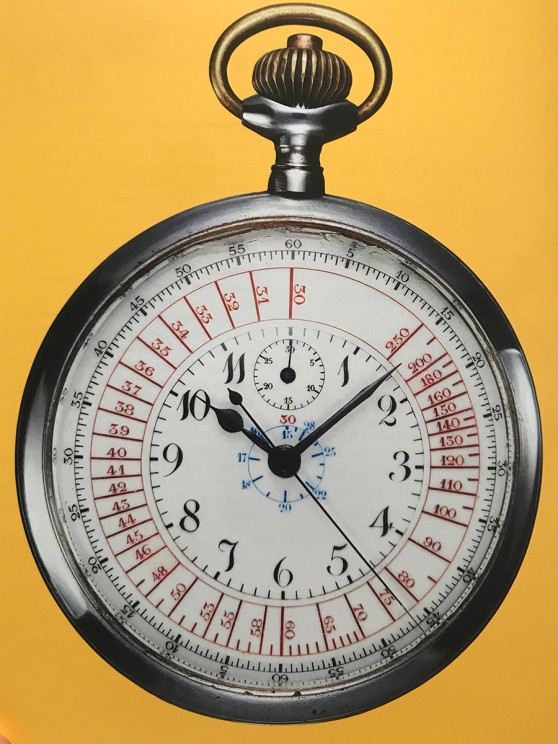
3. Breitling’s role in law enforcement
Breitling’s “Vitesse” chronograph, introduced in 1907, became an essential tool for law enforcement. As automobiles became more common, this device, capable of measuring speeds from 15 to 250 km/h, was used by police to issue speeding tickets – essentially serving as the world’s first speed camera.
4. The birth of the two-pusher chronograph
Modern chronographs typically feature two pushers: one for the start/stop function and the other to reset the timer. This wasn’t always the case – the first examples did everything with a single pusher. In 1923, Gaston Breitling (Léon’s son) patented the two-pusher system, revolutionising chronograph design and setting a new industry standard.
5. Gaston and his singing birds
In a lesser-known chapter of Breitling’s history, in the early 1900s the company briefly produced singing bird boxes. These diminutive automata were very fashionable at the time, and Breitling was keen to ride the wave of popularity. According to the family archives, they were crafted in Paris by Gaston Breitling’s brother-in-law.
6. The forgotten regency
The “interregnum” between Gaston’s and Willy Breitling’s leadership is an often overlooked part of company history. When Gaston died at 43, his son Willy was only 14 and still in school. Given that the law mandated a minimum age of 20 to run a business, Willy’s mother Berthe managed the company for six years, helped (or hindered) by various administrators.
7. The Kodak inspiration
Willy Breitling’s encounter with the affordable Kodak Brownie box camera sparked a revelation: “We should create an entry-level product that’s accessible to everyone.” This insight led Breitling to develop the market for popular, affordable chronographs, broadening their appeal beyond professional users. It was to prove a revolutionary approach.
8. The Navitimer’s predecessor
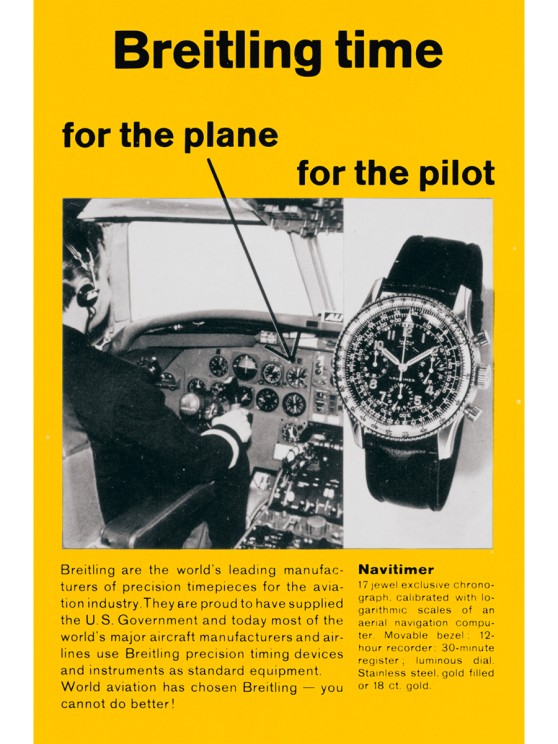
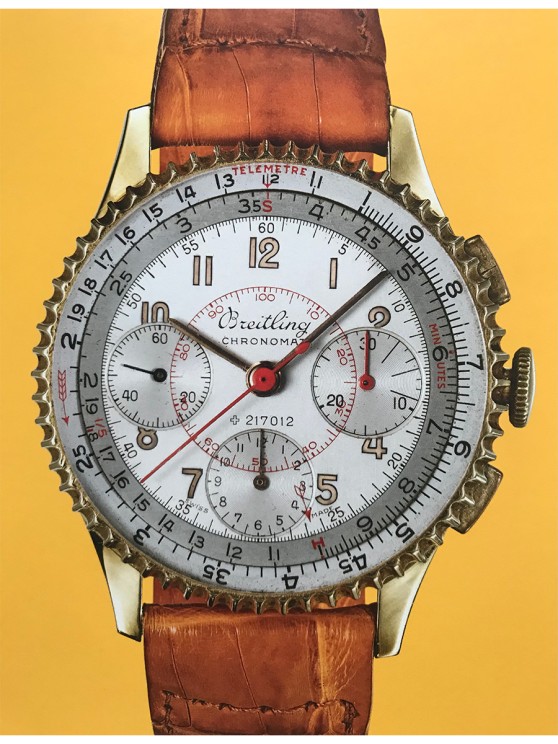
The iconic Navitimer’s signature features – chronograph, slide rule and notched bezel – actually originated with the Chronomat 786. Introduced in 1942, this “chronograph for mathematicians” (“chrono” + “math”) is now an exceedingly rare collectors’ item, not to be confused with modern Chronomat models, whose name is rather a contraction of “chronograph” and “automatic”.
9. The enigma of the twin jet logo
The Twin Jet logo was introduced In 1957, at a time when the Breitling name was widely associated with sailing and travel. Initially featuring on the case backs of SuperOcean and TransOcean models, it wasn’t until almost a decade later, in 1965, that the logo first appeared on the dial of a Navitimer. Since then, this distinctive mark has become highly sought-after by collectors. But why two jets? To this day, no one has the faintest idea!
10. Soaring into aviation history
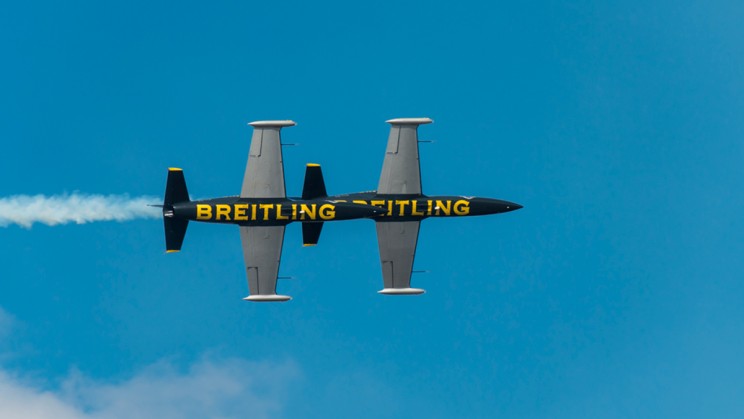
Breitling’s aviation legacy now extends well beyond sponsoring aerobatic teams, encompassing partnerships with celebrities like John Travolta.

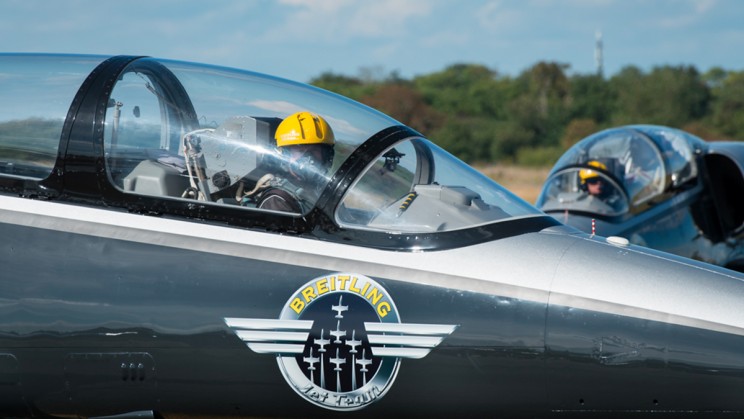
The watchmaker even operated its own aerobatic team (the first and only such case in watchmaking history), the Breitling Jet Team, which was founded in 2000. The venture originated even further back, in 1994, when the watchmaker established the Breitling Aviation Academy, which would have celebrated its 30th anniversary this year.